Marie Heřmanová: Slavic Dolls And Slavic Sisters Unite – Pan-Slovism And Internet Mythology (lecture)
“Slavic girls eat avocado with buckwheat for dinner, Slavic dolls don’t reply to boys’ messages until they receive a bouquet of roses.” Slavic women know how to be feminine, understand tradition, and don’t waste time on nonsense like “feminism.” How to become a proper Slavic girl can be learned on TikTok, or, if taken seriously, on Telegram – with instructions for making walnut oil included.
Where does this trend of “Slavicness” in pop culture come from? The hashtag #slavicsisters on TikTok can, on one hand, represent harmless humor or an attempt to gain views from a viral trend, but it can also overlap with Russian propaganda directed against Ukraine. While on mainstream social media, the “Slavic trend” appears mainly as diet advice and stereotypical jokes about femininity and masculinity, on Telegram channels, it already carries a clear political charge, presenting “Slavic culture” as the opposite of a “decadent West.”
The internet myth of Slavic identity is preceded by a political one – when politicians attempt to replace common Anglicisms with Slovak terms, and Czech NGOs have to defend themselves against accusations of being “foreign agents,” fiction begins to merge with political reality. The lecture explores where the modern revival of Slavic identity comes from and why it flows from TikTok trends into politics (and back again).
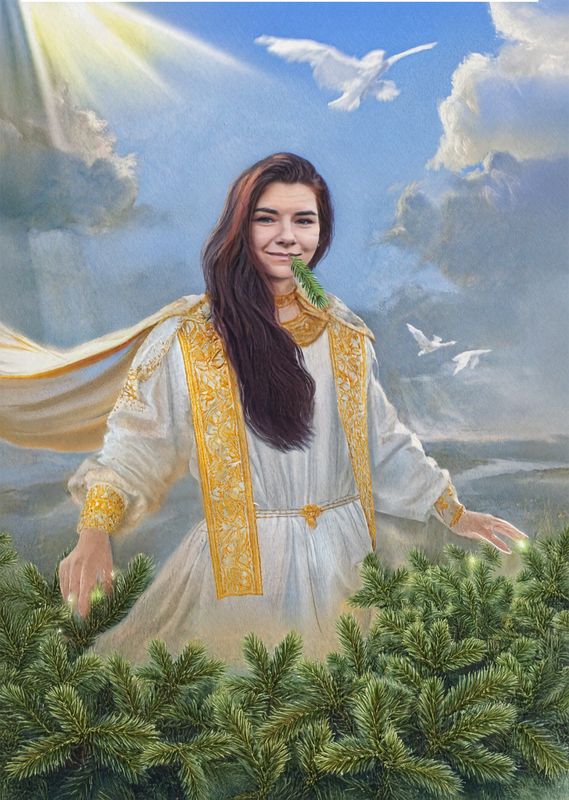
The lecture will be in English and is based on a text by Marie Heřmanová from the book Czechoslayvakia, which also features the accompanying illustration by Jakub Polách.